
2026 Epidemics That Didn’t Happen report
Investing in preparedness saves lives. The 7-1-7 target shows how. The Epidemics That Didn’t Happen film and case studies showcase how proactive public health systems are stopping local threats from becoming global crises.
7-1-7 adoption and use in the human and animal sectors in humanitarian crisis-affected South Sudan: A mixed-methods study, 2025
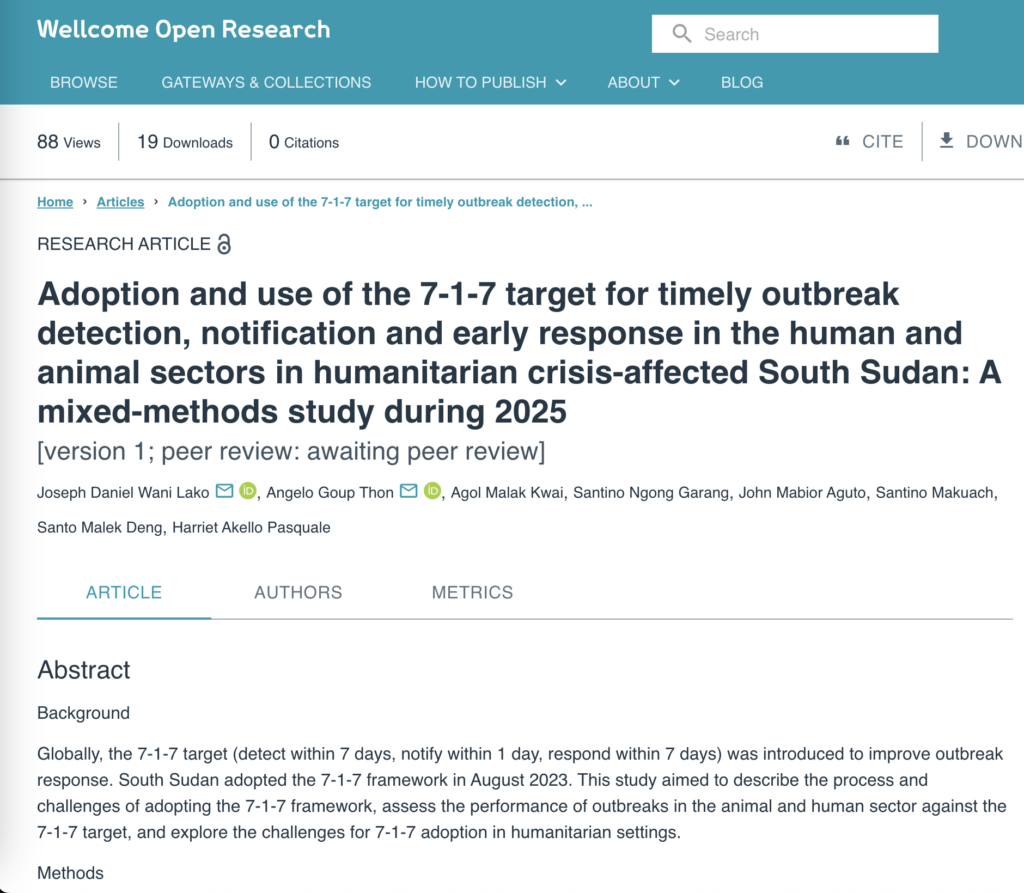
Wellcome Open Research article published on February 16, 2026. This study was conducted by 7‑1‑7 Alliance partners in South Sudan and supported by the Wellcome Trust (228152/Z/23/Z).
Epidemics That Didn’t Happen: How South Sudan stopped a cholera outbreak with no reported deaths
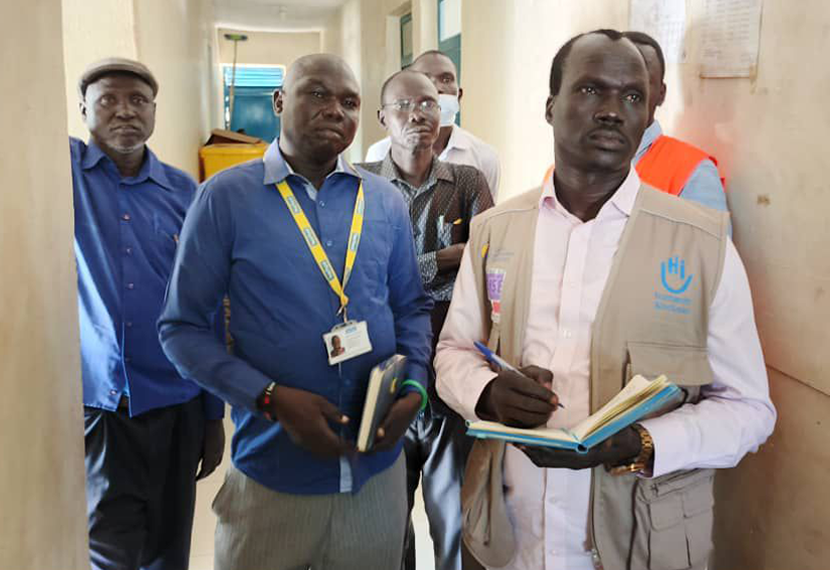
South Sudan brought cholera under control thanks to 7-1-7, a team on high alert and the availability of fast, flexible funds.
7‑1‑7 bottleneck insights: Unlocking resources for rapid outbreak investigation

Analysis of 7-1-7 data across countries shows that inadequate resource availability is the most common bottleneck to outbreak response – identified in 30% of outbreaks.
South Sudan saves lives through application of 7‑1‑7 during ongoing yellow fever outbreak
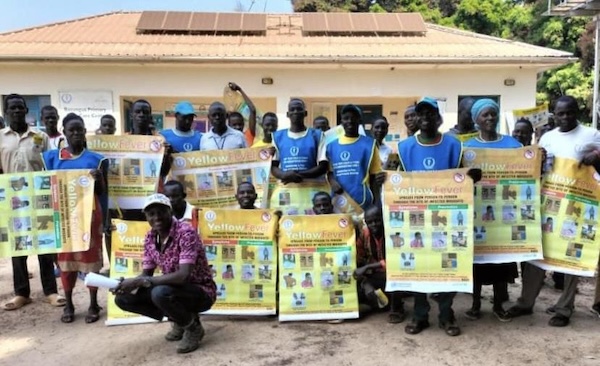
How the successful use of the 7-1-7 target by South Sudan helped improve its response in real time to a yellow fever outbreak.
Peer exchange in Uganda kickstarts 7‑1‑7 in South Sudan

Q&A with Dr. Angelo Group Thon of South Sudan’s Ministry of Health.