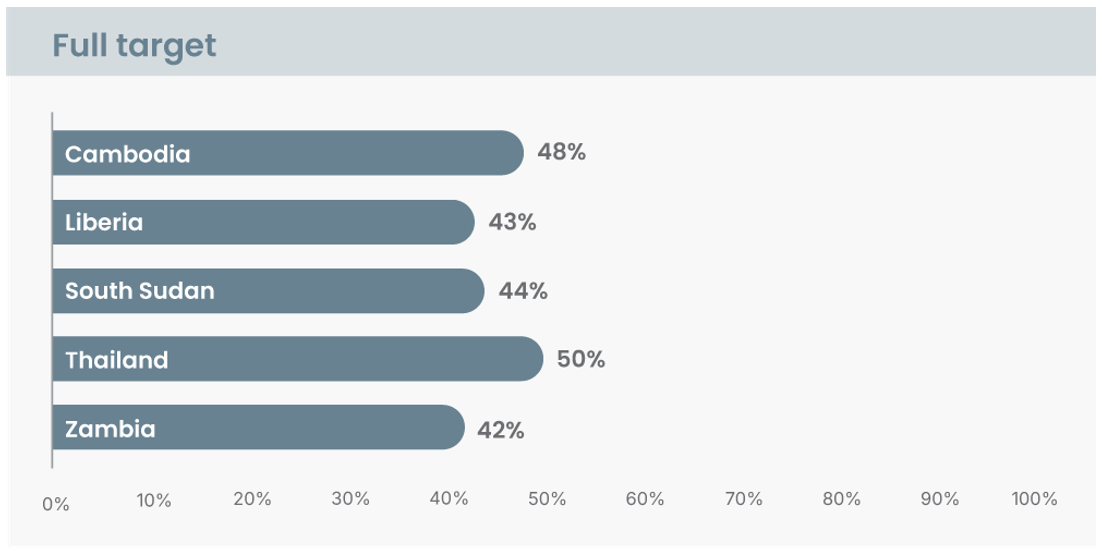
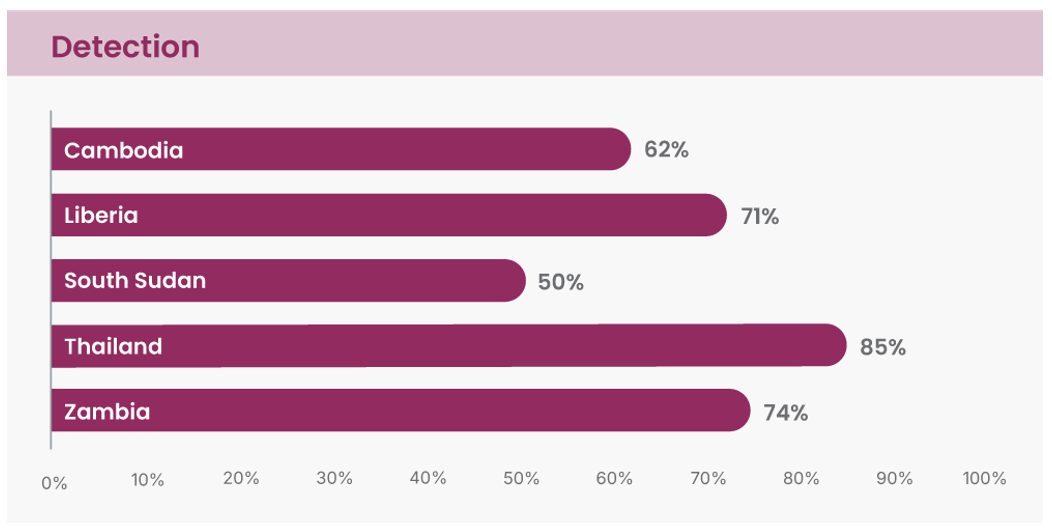
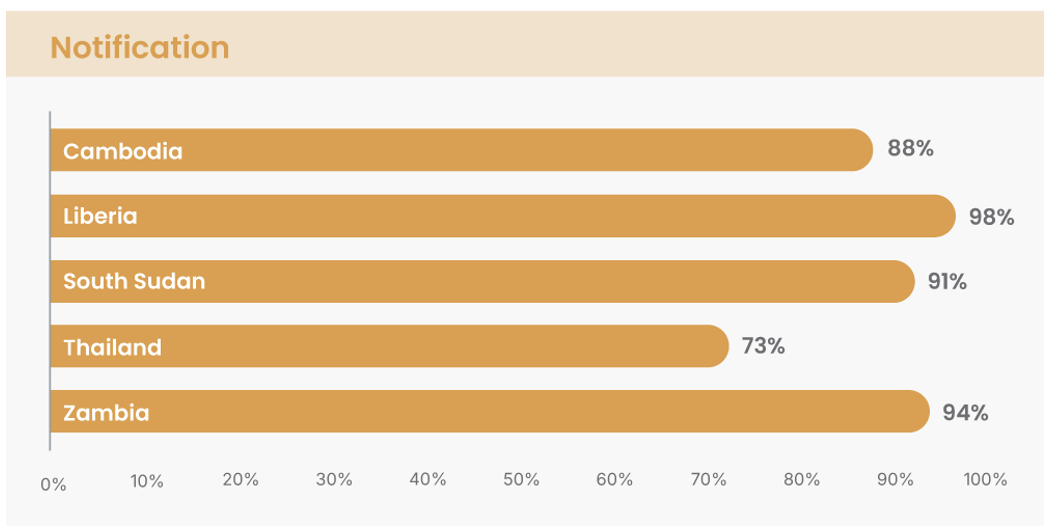
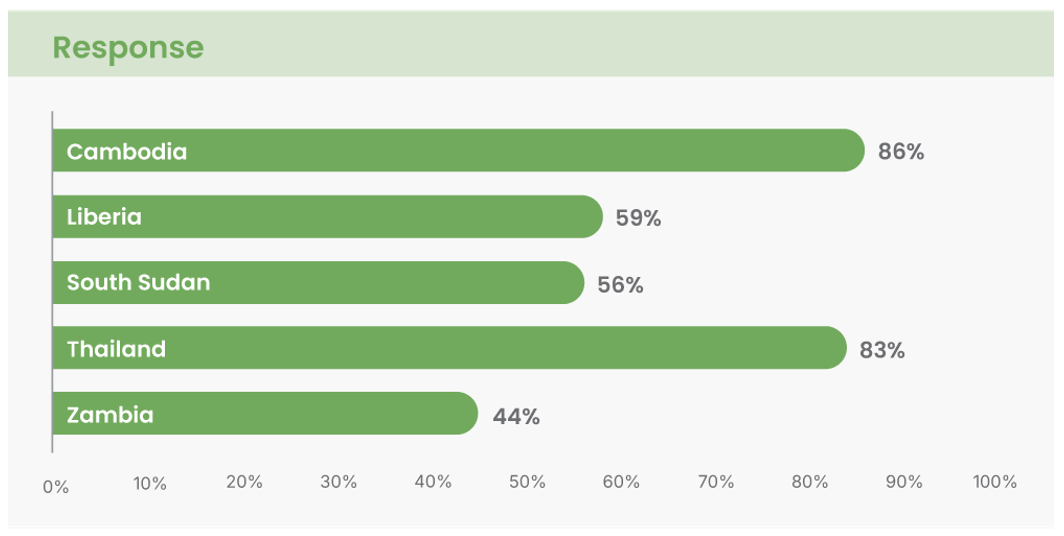
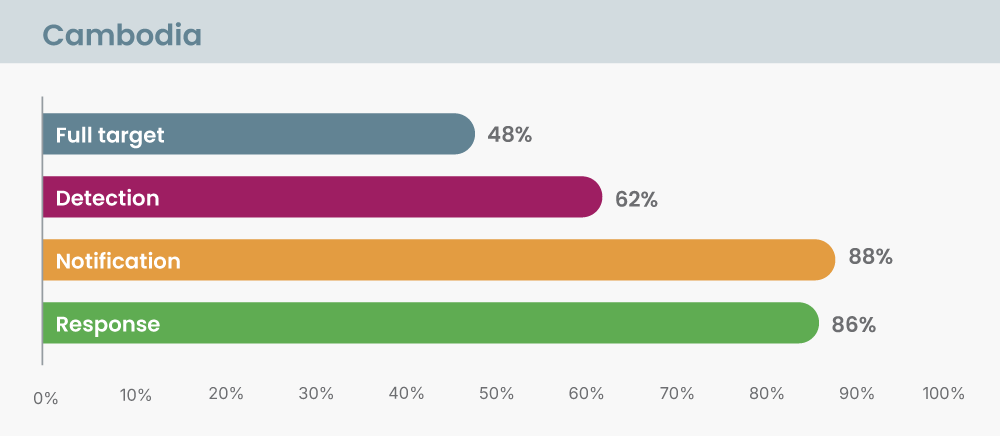
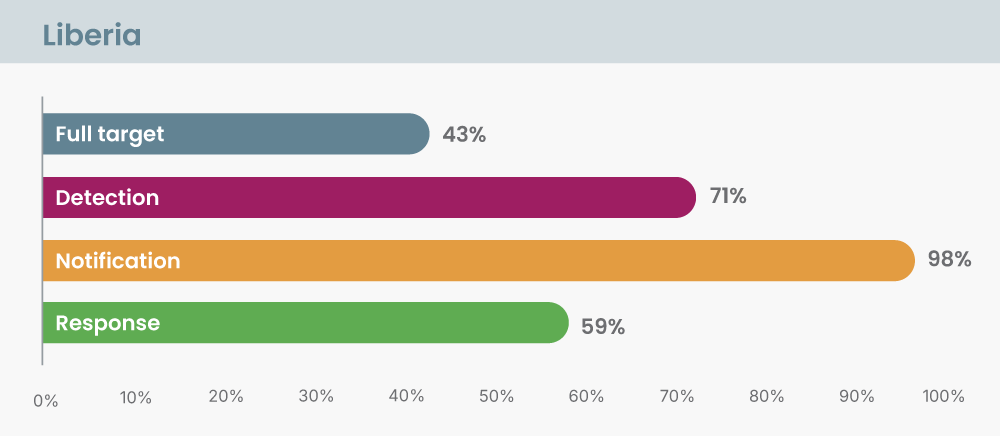
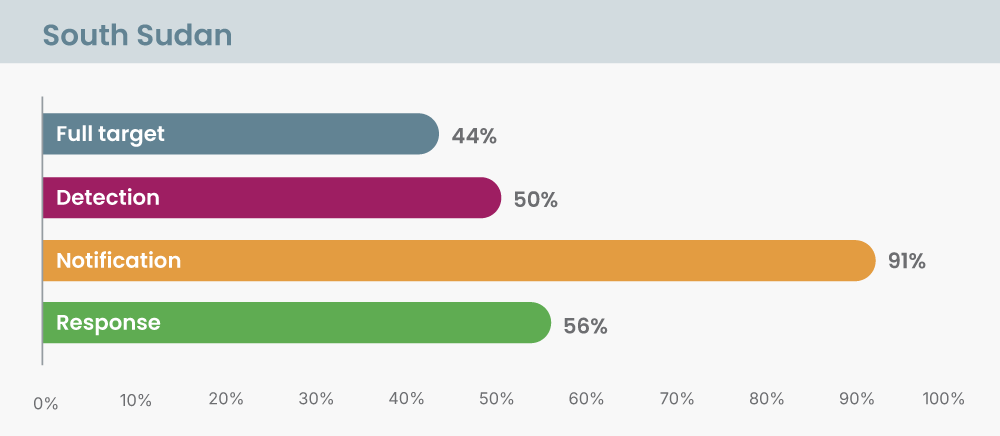
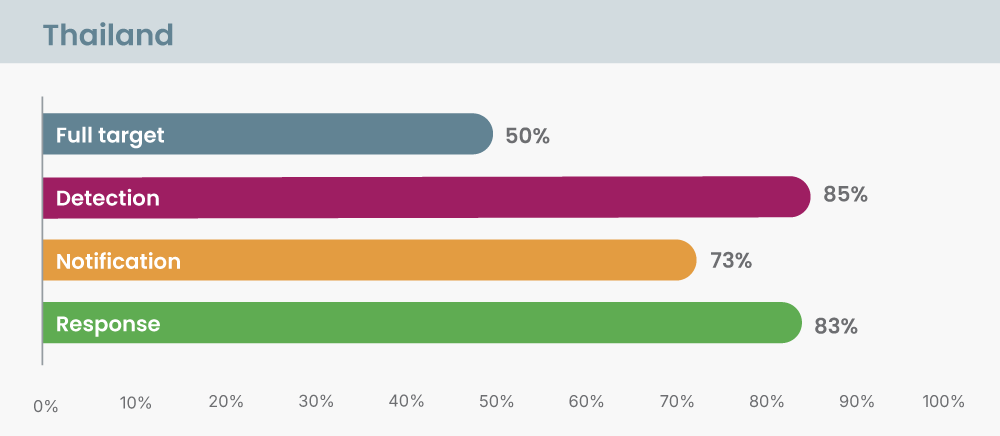
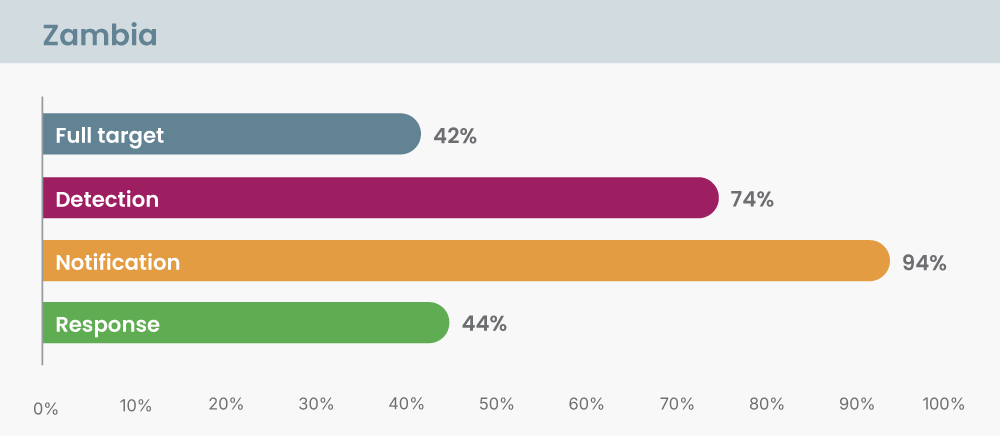
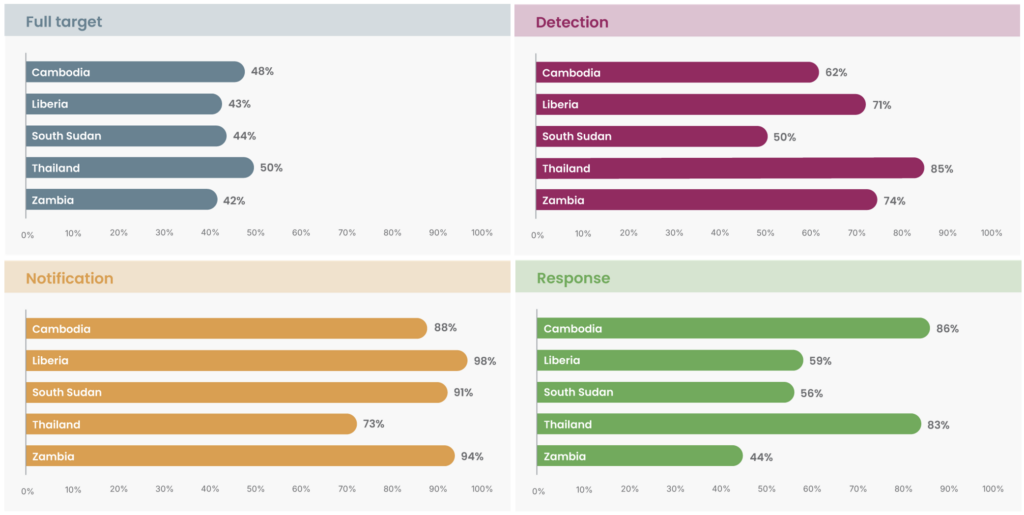
An outbreak breaks out in a Bangkok hotel. Another sweeps through a displaced community in South Sudan. The question is the same: how quickly can a health system detect and contain a threat? Half the world’s countries have now adopted the 7-1-7 target or are moving toward it. Five Wellcome-funded studies supported by the 7-1-7 Alliance deliver some of the clearest learnings yet on what 7-1-7 adoption looks like in practice across very different settings, including Cambodia, Liberia, South Sudan, Thailand and Zambia.
Drawing on 1,680 outbreaks recorded between 2013 and 2025, the studies reveal a consistent lesson: no health system meets the 7-1-7 target every time, but all can benefit and improve. The findings show how 7-1-7 helps countries identify common bottlenecks and strengthen the speed and effectiveness of future outbreak detection and response.
Factors for success
Across the five papers, several common threads emerge as key to successful 7-1-7 adoption.
A dedicated government champion and a committed coordination team are foundational and present in every country that has made meaningful progress.
Strong leadership, effective training at both national and subnational levels, and rapid coordination mechanisms are consistently identified as critical enablers.
Integrating 7-1-7 into existing systems and workflows rather than building parallel structures is central to success. This can happen through existing surveillance platforms, rapid response teams, or One Health coordination mechanisms.
Finally, broad stakeholder engagement across sectors and levels of government has been essential to building the local ownership that sustains 7‑1‑7 beyond the initial adoption phase.
How countries performed
Common bottlenecks to meeting 7-1-7
Although no two systems face identical obstacles, the drivers of delay in detection, notification and response are consistent.
- Delayed care-seeking by patients and communities is the single most cross-cutting challenge, mentioned in the Cambodia, South Sudan, Thailand and Zambia papers, and is closely tied to low community awareness of symptoms and when to report them.
- Health worker capacity is another shared vulnerability: inadequate training and low clinical awareness appear in Liberia, Thailand and Zambia, pointing to a persistent gap between surveillance systems on paper and the frontline workers who feed them. Read more on how to address low clinical awareness.
- Resources and logistics for response—supplies, transport, funding and laboratory capacity—remain a bottleneck in Liberia, South Sudan and Zambia, while coordination gaps, whether between agencies, sectors, or levels of government, surface in Thailand, Zambia and South Sudan. Read more on how to address the funding bottleneck.
- South Sudan faces an additional layer of complexity unique to humanitarian settings, where non-functional health facilities, insecurity and competing health emergencies compound every other challenge.
Recommendations for stronger 7-1-7 performance
Together, the five studies map a set of priorities to strengthen 7-1-7 performance.
- Sustainable and flexible funding stands out as a foundational need, whether to expand 7-1-7 to subnational levels in Zambia and South Sudan, reach humanitarian settings in South Sudan, or reduce the financial burden on local teams in Cambodia through streamlined reimbursement mechanisms.
- Stronger community engagement is equally critical: Liberia and Cambodia both call for an improvement in community knowledge, trust and care-seeking behavior, directly addressing the most cross-cutting bottleneck in the studies.
- Data integration is also mentioned as an area for improvement by Thailand, Zambia, Cambodia and South Sudan. Countries are recommending the introduction of 7-1-7 indicators into existing surveillance platforms to improve monitoring and foster accountability.
A closer look
Adoption: 2023. Full adoption at the national level with subnational adoption in progress across all 25 provinces.
Bottlenecks: Delayed care-seeking, low awareness among private health workers and lack of community knowledge.
Enablers: Strong reporting lines for surveillance, rapid coordinated response mechanisms and active sentinel surveillance.
Recommendations: Prioritize early detection through targeted community awareness campaigns; stronger private sector engagement; enhanced clinical surveillance; improved laboratory infrastructure and specimen logistics at subnational level; digital integration of 7-1-7 indicators into the existing surveillance platform; regular training and supervision from the national level; secure funding with streamlined reimbursement mechanisms to reduce financial burden on local teams.
Read the full Cambodia study.
Adoption: September 2023. 7-1-7 was embedded in the health and data monitoring systems by January 2024.
Bottlenecks: Inadequately trained healthcare workers and poor community engagement for detection; electronic surveillance issues and poor network coverage for notification; and inadequate resources, logistics and delayed laboratory reporting for early response actions.
Enablers: Strong coordination among public health units.
Recommendations: Improving community knowledge, trust and care-seeking behavior.
Read the full Liberia study.
Adoption: August 2023. Successful adoption at the national level and in four of ten states and three administrative areas (not adopted nationwide due to lack of funds).
Bottlenecks: Delayed care-seeking by patients, poor internet connectivity and inadequate resources for rapid response.
Specific to humanitarian settings: additional challenges included non-functional health facilities, non-existing surveillance systems, insecurity and competing health emergencies.
Enablers: Well-trained health professionals and effective coordination across public health units.
Recommendations: Sustainable funding to expand 7-1-7 to all states, including humanitarian settings; creation of a surveillance information system for the animal sector.
Read the full South Sudan study.
Adoption: 2024. In 2025, government officials scale 7-1-7 adoption to all health regions and all events recorded from January 2024 onwards.
Bottlenecks: Delayed patient care-seeking, poor inter-agency coordination and low clinical awareness.
Enablers: Effective coordination and strong laboratory capacity.
Recommendations: Improved data integration; prioritization of diseases for surveillance; decentralization of 7-1-7 use; identified bottlenecks incorporated into Thailand’s national action plan for health security (NAPHS).
Read the full Thailand study.
Adoption: 2023. Full adoption at the national level but uneven ongoing progress at subnational levels (all 10 provinces and half of districts had coordination teams and just 20% piloted 7-1-7).
Bottlenecks: Low index of suspicion among health workers, inadequate training and limited resource availability.
Enablers: Clinical awareness and network connectivity.
Recommendations: Targeted investments at the subnational level to expand 7-1-7 uptake; adaptation of lessons from previously well performing public health emergency responses (cholera); rapid resource mobilization; enhanced multi-sectoral coordination; introduction of a formal 7-1-7 indicator into routine performance reviews.
Read the full Zambia study.
Together, these five studies make the case for a simple idea: countries that study their own outbreak response get better at it. Cambodia, Liberia, South Sudan, Thailand and Zambia have shown what that looks like in practice and set a model other countries can follow to document, learn from and share their own 7-1-7 journey.
Explore more 7-1-7 research