
2026 Epidemics That Didn’t Happen report
Investing in preparedness saves lives. The 7-1-7 target shows how. The Epidemics That Didn’t Happen film and case studies showcase how proactive public health systems are stopping local threats from becoming global crises.
Webinar: Speed saves lives: Leveraging new evidence on 7‑1‑7 to improve outbreak performance

Webinar held on March 5, 2026 highlighting how countries can strengthen outbreak performance by applying groundbreaking research on timeliness to their advocacy efforts.
Epidemics That Didn’t Happen: How Uganda is strengthening its national Ebola response
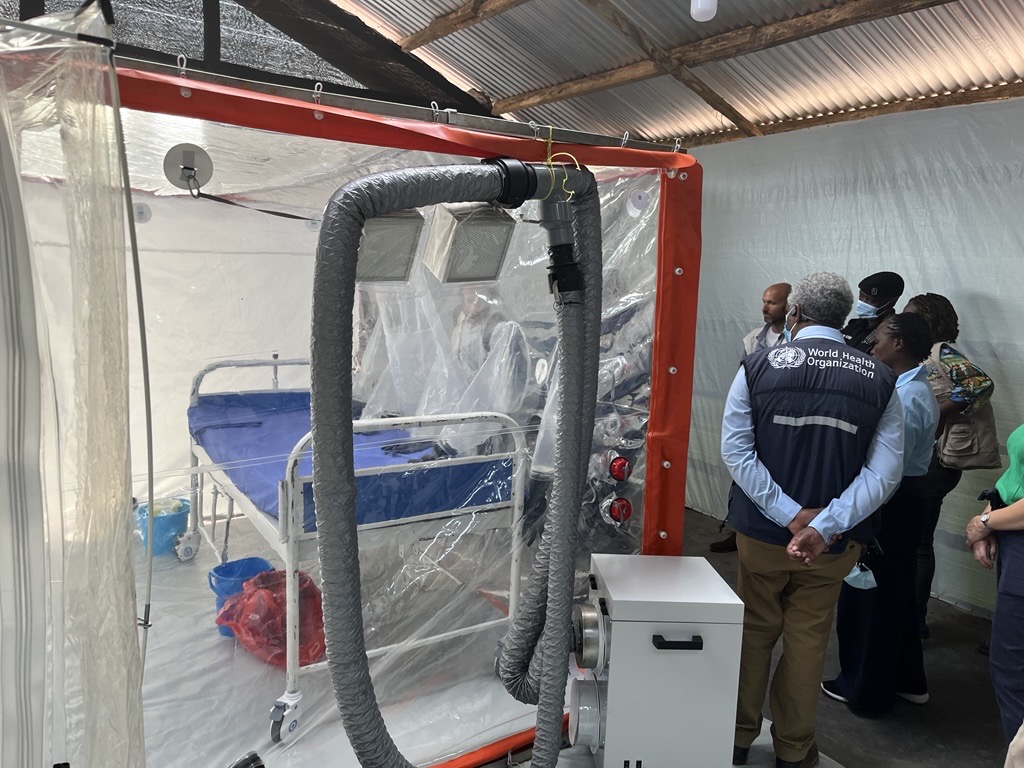
Building on lessons from earlier outbreaks, Uganda’s recent containment of Ebola shows how the 7-1-7 target is transforming public health outcomes.
Evaluating 7-1-7: Modelling and implementation insights for Ebola, measles, and anthrax in Central and Eastern Uganda, 2025
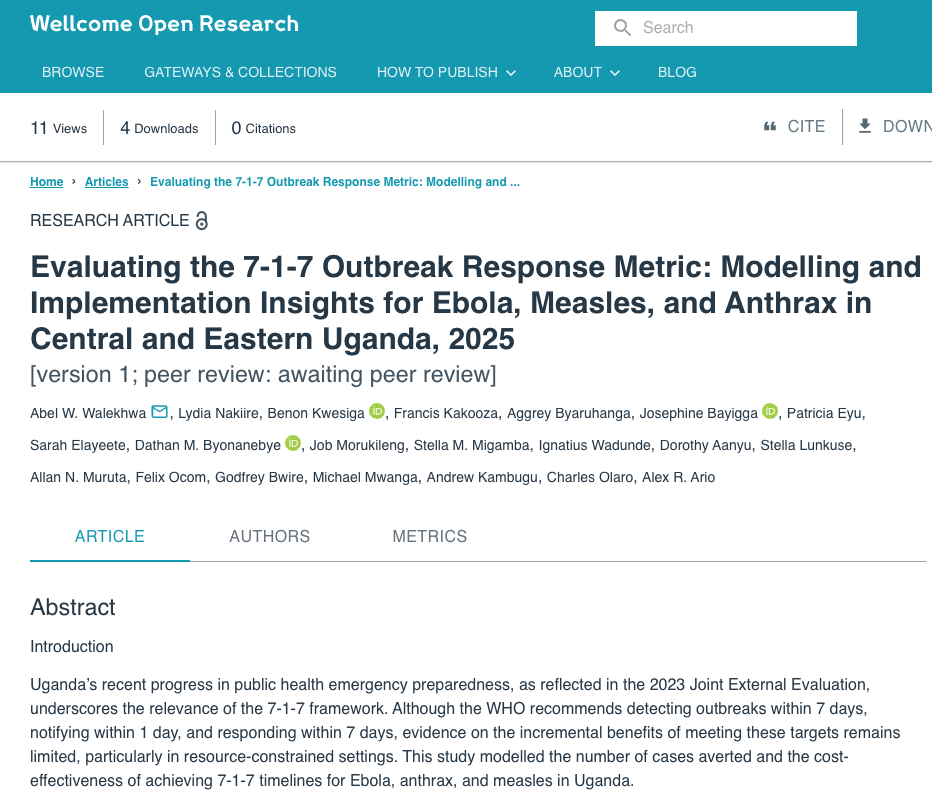
Wellcome Open Research article published on January 26, 2026. This study was conducted by 7‑1‑7 Alliance partners in Uganda and supported by the Wellcome Trust (228152/Z/23/Z).
Webinar: 7-1-7’s top detection bottleneck: Low clinical suspicion
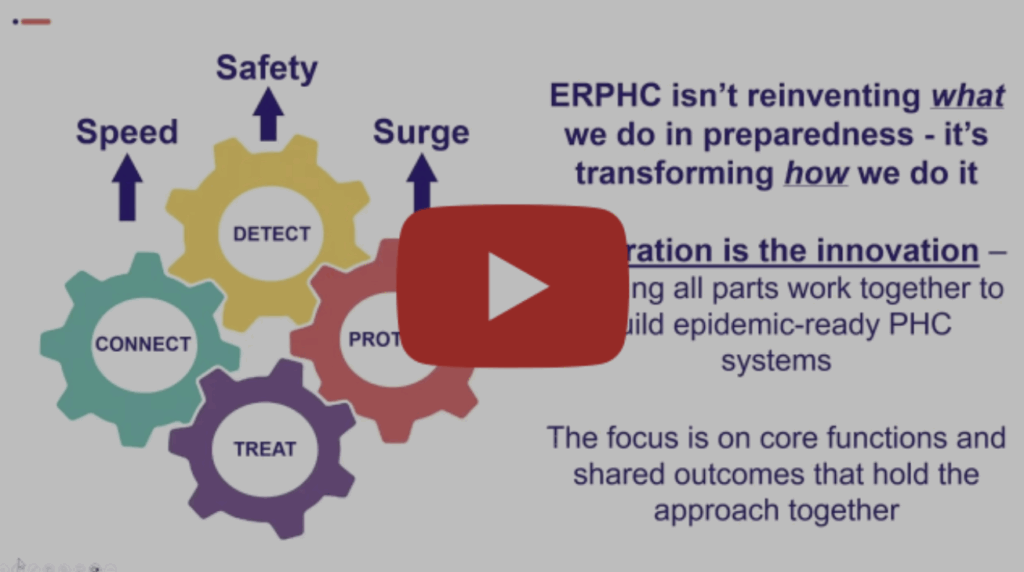
Webinar held on November 25, 2025 highlighting how improving clinical suspicion can be the biggest enabler of timely outbreak detection.
Association between timeliness of detection, notification and response and the magnitude, severity and duration of disease outbreaks: a retrospective review of 84 outbreaks in Uganda
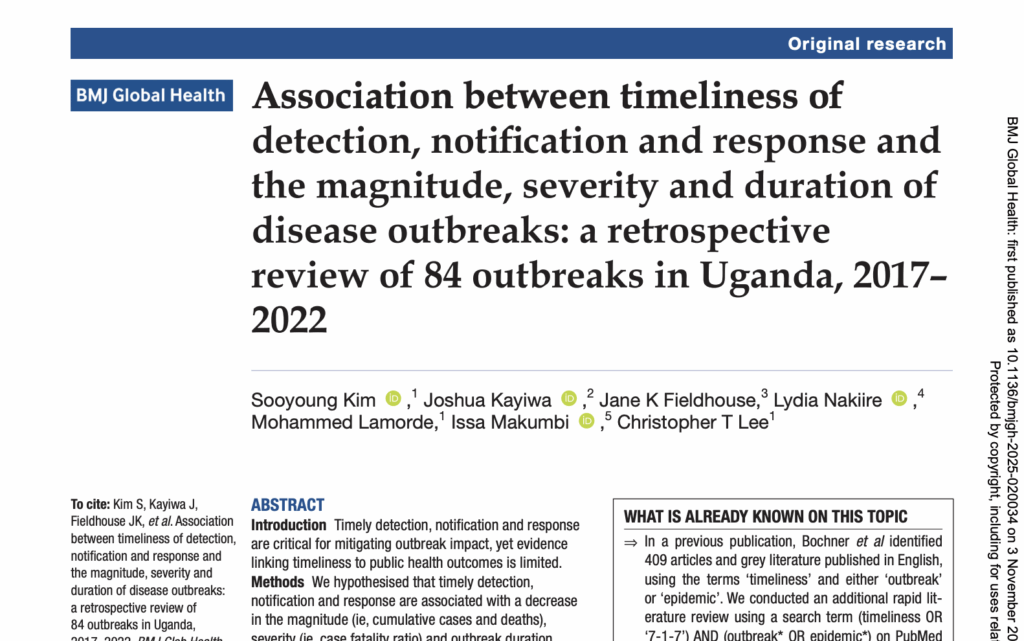
BMJ Global Health article published on November 3, 2025 co-authored by the 7-1-7 Alliance, Resolve to Save Lives and Uganda.
7‑1‑7 bottleneck insights: Overcoming low clinical suspicion in outbreak detection
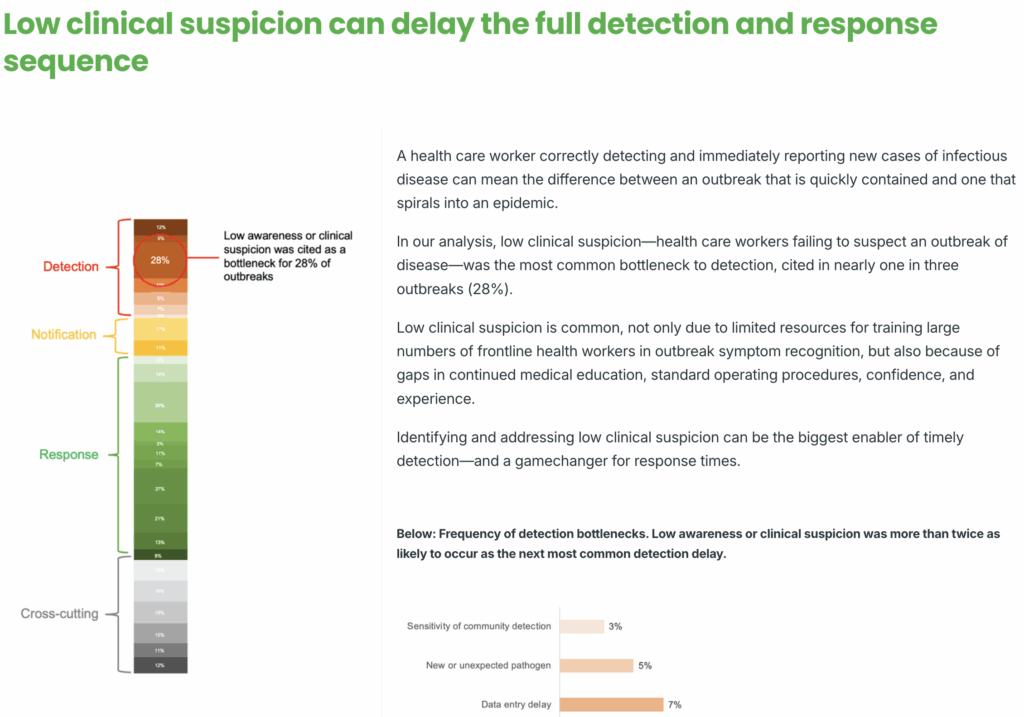
Analysis of 7-1-7 data across countries shows that low clinical suspicion is the most common bottleneck to detection, cited in nearly one in three outbreaks.
Webinar: The leadership factor

Webinar held on March 13, 2025 focusing on leadership and advocacy—two key components of an effective use of the 7-1-7 target.
Evaluation of response to a cholera outbreak in January 2024 using 7‑1‑7: A case study of Elegu Point of Entry, Uganda

BMC Public Health article published in December 2024 authored by the Uganda National Institute of Public Health.
Widespread adoption of 7‑1‑7 in Uganda leads to rapid improvement

Deploying 7-1-7 during successive measles and Crimean-Congo hemorrhagic fever outbreaks in Uganda helped districts improve their detection, notification and early response systems.