
Rapidly resolving bottlenecks
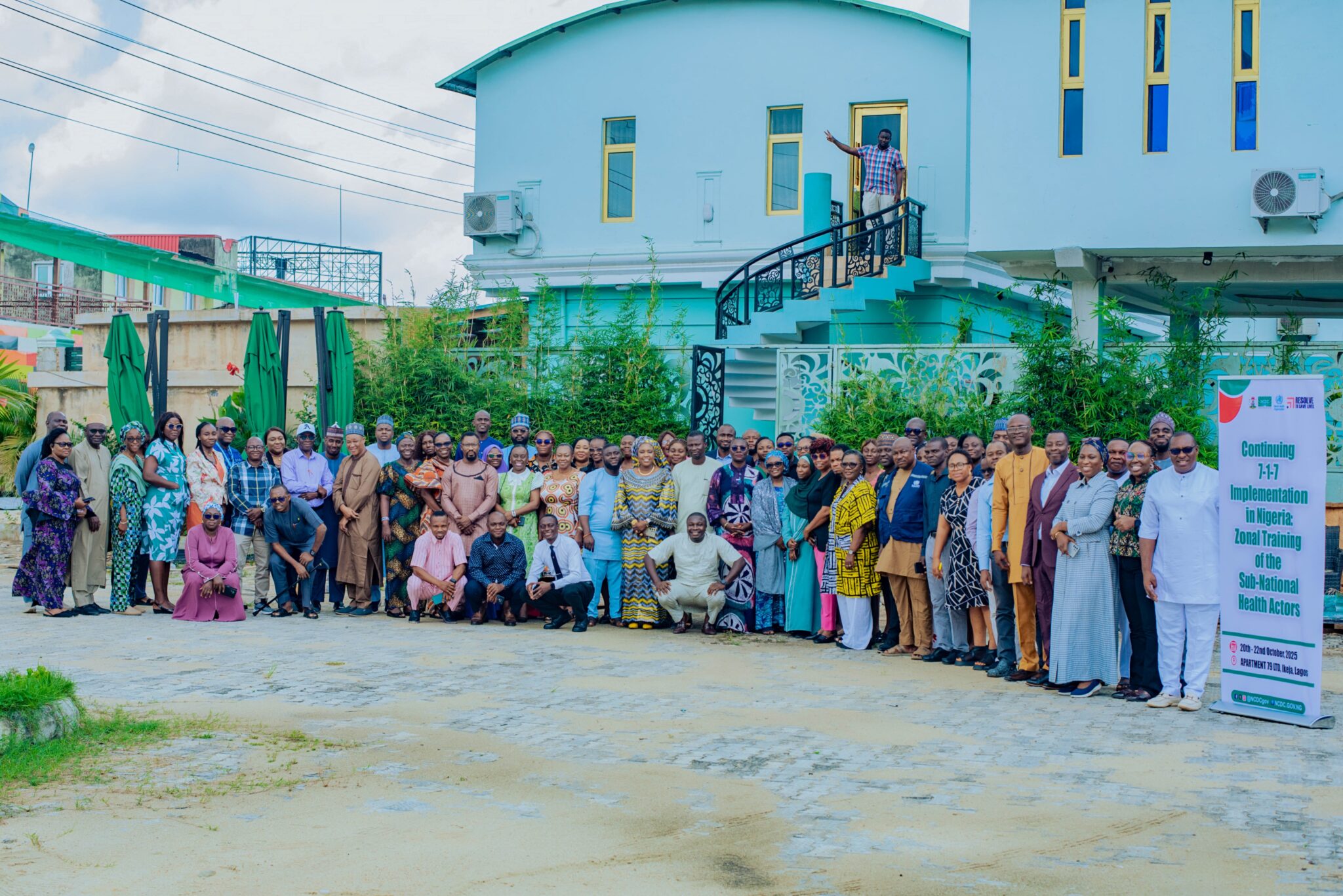
As part of Nigeria’s nationwide adoption of 7-1-7, the Federal Capital Territory (FCT) Epidemiology Unit consistently achieved the 7-day detection and 1-day notification targets. However, early response times fell short of the 7-day goal.
The team’s routine early action reviews showed that delays in scheduling a car and driver from the department’s shared vehicle pool were slowing outbreak investigation. For example, the response to a 2024 mpox outbreak was delayed a full day while they waited for a driver to return from out of town to drive the pool vehicle, explained Fatimah Nuhu Ahmed, the Federal Capital Territory’s disease surveillance and notification officer.
To overcome this barrier, the team appealed to Dr. Adedolapo Fasawe, FCT Mandate Secretary for Health Services and Environment for a dedicated driver and vehicle. The secretary was unfamiliar with 7-1-7, but its simplicity made it easy for her to understand the problem and how it impacted response times. She agreed to provide a sport utility vehicle and an ambulance donated by the World Health Organization, as well as a dedicated driver.
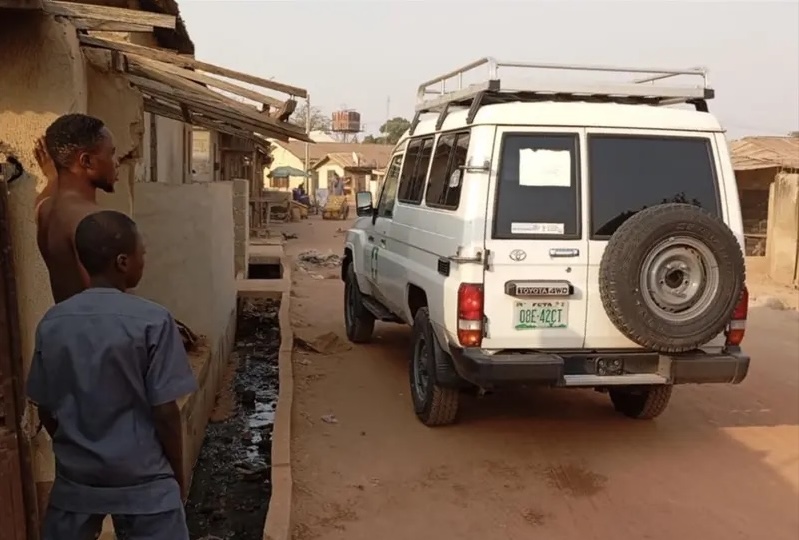
“Now, if we need to deploy a team, we have a vehicle and driver available 24/7,” said the state epidemiologist Lukman Ademola Lawal. With a dedicated driver and vehicle, Nuhu Ahmed noted the team can be on the road in just one to two hours.
“Using 7-1-7 made my team respond with a sense of urgency,” Ademola Lawal explained. “Before implementing 7-1-7, if a report came in on a Friday, we might wait until Monday to launch a response, but the 7-1-7 framework helped us to see how much each hour and each day means. Now, we start the verification and response process the same day.”
Using 7-1-7 made my team respond with a sense of urgency.
Lukman Ademola Lawal, Nigeria
This example illustrates how advanced use of 7-1-7 can help teams identify local barriers to effective outbreak response and advocate for solutions. Achieving this level of implementation like Nigeria requires sustained political commitment, integration of 7-1-7 into local and national workflows and data tools, and resource allocation. Once embedded, though, 7-1-7 becomes something more: a tool countries can use that generates the insights needed to advocate for resources and make faster, better-informed decisions.
Choosing the right champion
Choosing the right champion is critical to building the political support necessary to successfully implement and sustain use of 7-1-7 nationally, according to Trokon Omarley Yeabah, head of the Disease Surveillance Information System Unit at the National Public Health Institute of Liberia (NPHIL), who also serves as the technical lead for 7-1-7. “The champion must be able to work with everyone and have a reputation for collaboration,” said Yeabah. “The champion does the heavy lifting with the political engagement and administrative engagement in partnership with the technical lead.”
In Liberia, the champion role was entrusted to Dr. Ralph W. Jetoh, Director of the Division of Infectious Disease and Epidemiology at NPHIL. As chair of the One Health Technical Working Group on Surveillance, Dr. Jetoh was empowered to promote 7-1-7 adoption; he was already participating in all high-level meetings at NPHIL and had strong relationships with stakeholders. He led the political and administrative engagement, ensuring that 7-1-7 was discussed in every high-level meeting and conversation, and secured political buy-in for sustained national implementation. Working alongside Yeabah and the technical team, he helped assemble a cross-government support team for 7-1-7, championed the integration of 7-1-7 into the national surveillance system, and led operational research on Liberia’s adoption of the target to advance national and global advocacy.
In Nigeria, strong buy-in from the Nigeria Centre for Disease Control and Prevention (NCDC) and its then Director General––the 7-1-7 champion at the time––and support from Resolve to Save Lives and other stakeholders were also essential to implementation. They helped Aperki Yahaya, national consultant at NCDC, and his colleagues convene a broad group of senior stakeholders to routinely review 7-1-7 performance. One-on-one engagement with leadership and in-person outreach at the state and local levels have been vital to that process.
“You have to identify people who have power and influence, and win them over,” said Yahaya.
Building 7‑1‑7 into the system and workflows
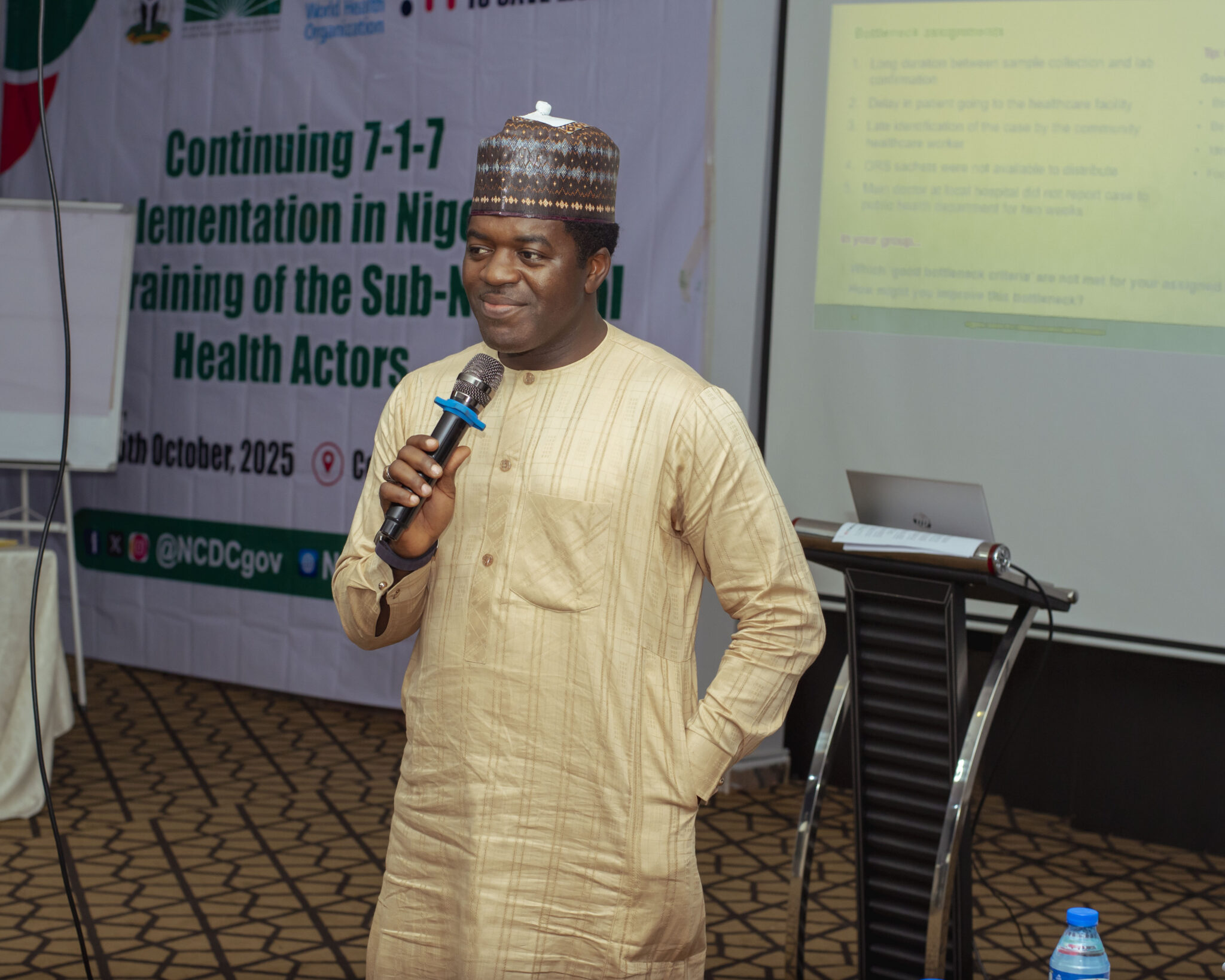
Buy-in from the top enabled Yahaya and his colleagues to begin implementing 7-1-7 during outbreaks requiring national rapid response team deployment, as well as through pilot projects in four states in Nigeria. The 7-1-7 target then became routine when it was integrated into mandatory reporting templates used by national rapid response teams and National Surveillance and Outbreak Reviews.
7-1-7 was also integrated into SITAware, Nigeria’s emergency management system, providing NCDC and states with a digital platform to capture 7-1-7 performance. After participating in training relying on both the 7-1-7 Alliance’s online courses and in-person sessions, staff in 17 of Nigeria’s 37 states have now begun routinely capturing 7-1-7 data for all events they log into SITAware.
“A top-to-bottom implementation, like ours, is best achieved if you cascade the knowledge to the front line, subnational administrators who are primarily responsible for initiating early outbreak responses,” Yahaya said.
After inputting 7-1-7 into SITAware, state teams identify bottlenecks and take action to correct them. Nigeria’s7-1-7 national community of practice meetings and weekly office hours for state health officers and epidemiologists have further strengthened state-level engagement by providing a platform to share insights and corrective actions prioritized to improve performance.
“When the peer-to-peer interactions happen, and they see what other states are achieving, it challenges them to prioritize early action reviews,” Yahaya said. Ongoing reminders and technical support from Yahaya at the national level also help sustain active engagement with 7-1-7.
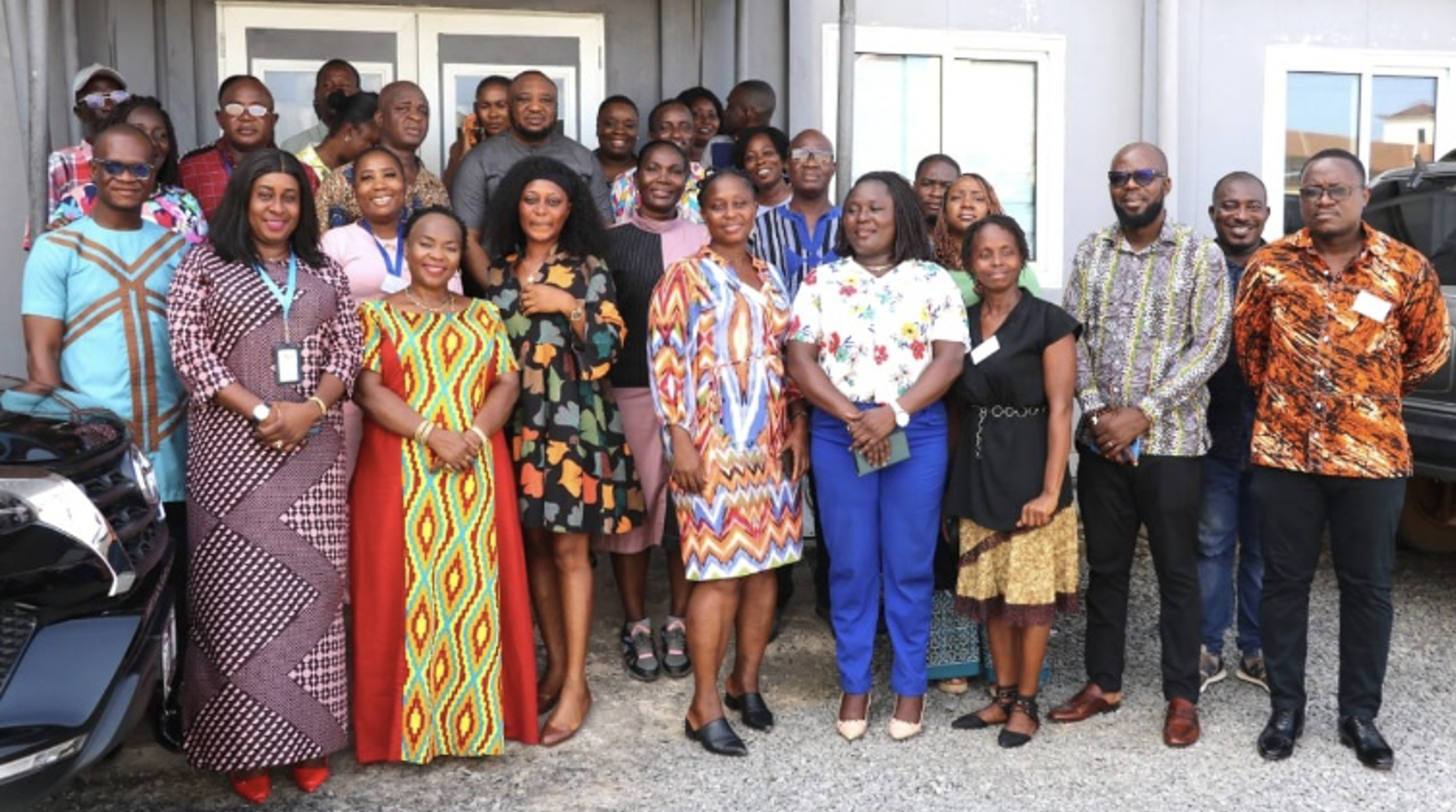
Liberia has similarly taken a cascading approach to the nationwide 7-1-7 implementation. They started by mapping relevant stakeholders and building national-level awareness through sensitization meetings. Then, the team held a training of trainers for 15 counties and 98 health districts. As part of continued capacity building in 7-1-7, all disease surveillance officers and emergency operating centers coordinators were required to complete the 7-1-7 online training courses.
The team also continues to provide supportive supervision to subnational staff across the country, which is particularly important during periods of staff turnover. Supportive supervision provides mentorship and has empowered even surveillance officers at the most remote districts to conduct an after action review and present their findings during a visit by a representative of the U.S. Centers for Disease Control and Prevention in Bopolu, Gbarpolu County.
“That local presentation became an opportunity for global advocacy for 7-1-7,” Dr. Jetoh said.
By training technicians and staff across the country and building 7-1-7 into their workflows, Liberia was also able to sustain 7-1-7 implementation after national elections led to a political transition that required administrative transition of all 15 counties and as well NPHIL. “Technicians at the various county health team and NPHIL had to bring new administrators up to speed on the framework,” Yeabah said. “It was challenging, but we did not lose focus.”
It was challenging, but we did not lose focus.
Trokon Omarley Yeabah, Liberia
Leveraging national data
Liberia and Nigeria’s teams have also leveraged national 7-1-7 data to identify recurring outbreak response delays and drive decisions about where to direct attention and resources. By connecting frontline performance with institutional authority and financing, countries are beginning to address problems that individual response teams cannot solve alone.
In Nigeria, 7-1-7 performance data are presented during the quarterly meetings of Ministerial Oversight Committee of the Basic Health Care Provision Fund. Based on that data, the committee approved accelerated release of funds to the states to help them overcome local bottlenecks. For example, in Ogun State the funds were used to quickly deploy investigation and response teams in response to suspected outbreaks and to transport samples from points of collection to state reference facilities for testing.
“We integrated 7-1-7 into the Basic Health Care Provision Fund guideline, so states have access to funding for outbreak investigation and response initiation, or to address bottlenecks,” Yahaya said. We also use 7-1-7 as part of staff reviews.
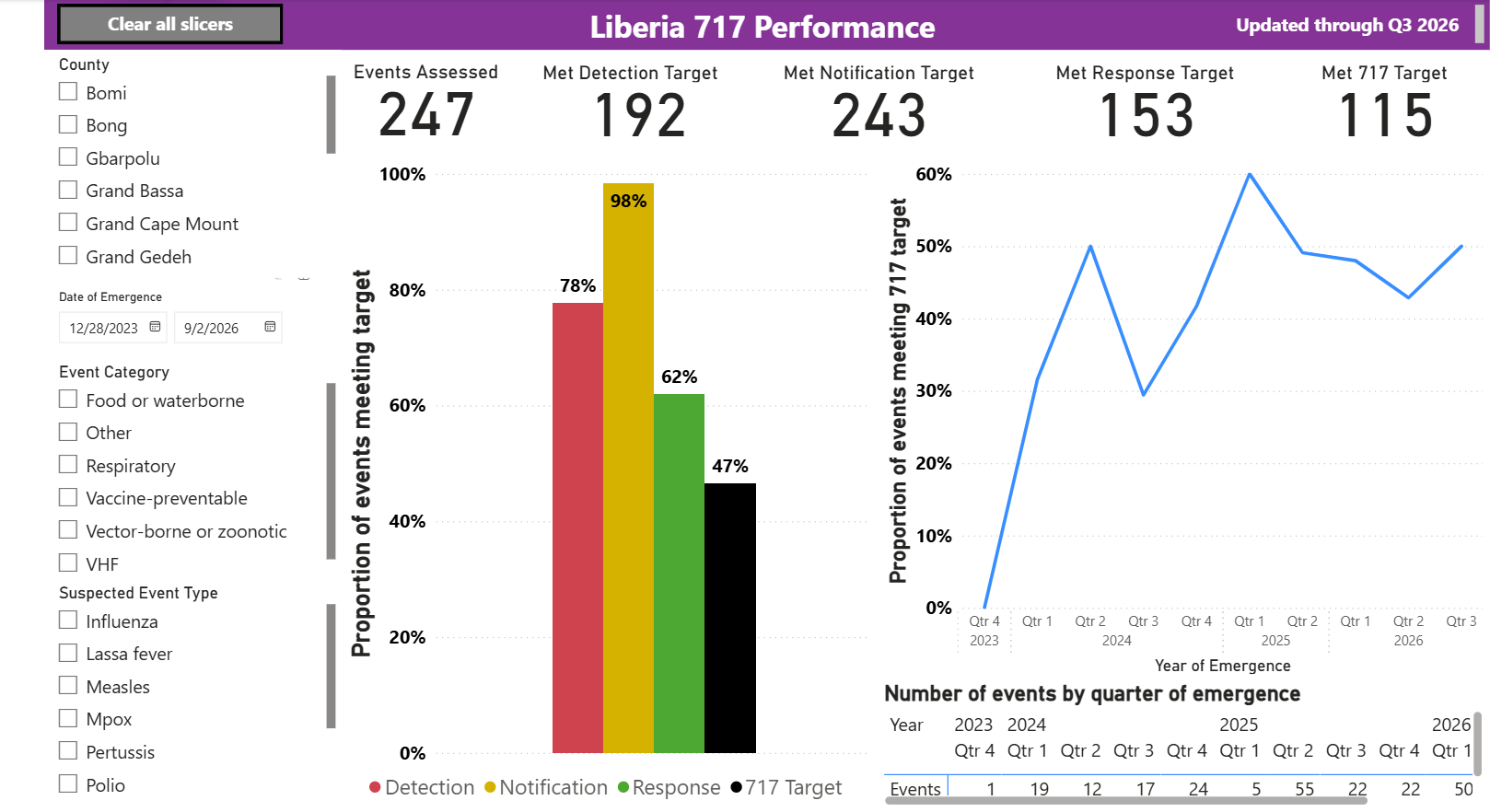
In Liberia, integrating 7-1-7 into the country’s existing disease surveillance system helped lay the foundation for tracking outbreak performance nationally. Working with Resolve to Save Lives, Yeabah also developed a national 7-1-7 dashboard that has since tracked more than 200 events, including mpox, Lassa fever and measles. By revealing recurring bottlenecks across counties, the data help NPHIL distinguish problems that local teams can resolve from those requiring national attention and resources.
One bottleneck turned out to be a shared computer: surveillance officers had to wait to borrow a communal laptop before filing their reports, so the reports arrived late. After the dashboard revealed the problem, NPHIL secured a laptop for every surveillance office in the country, removing a practical barrier to timely reporting. Motorbikes came up the same way. Wear and tear had left some of them malfunctioning, and replacements have been approved and are going through procurement.
“The dashboard gives us a clear picture of what is happening in affected counties and across the country,” Dr. Jetoh said. “It shows us what the challenges are and helps us prioritize them and provide support immediately.”
The dashboard shows us what the challenges are and helps us prioritize them and provide support immediately.
Ralph W. Jetoh, Liberia
The dashboard has also proven valuable for advocacy efforts. In August 2026, NPHIL gave a presentation featuring the dashboard at the National Health Conference, which was attended by Liberia’s First Lady, staff from the President Office, legislators and Ministry of Health officials.
Together, Liberia and Nigeria show what 7-1-7 can achieve when it becomes part of routine national systems: teams can turn evidence into action, mobilize leadership and resources and make lasting improvements. Reaching that stage depends on building coalitions, navigating competing priorities and resistance, demonstrating early wins and creating the ownership and routines needed to sustain progress through leadership changes.