
Case study: Schools
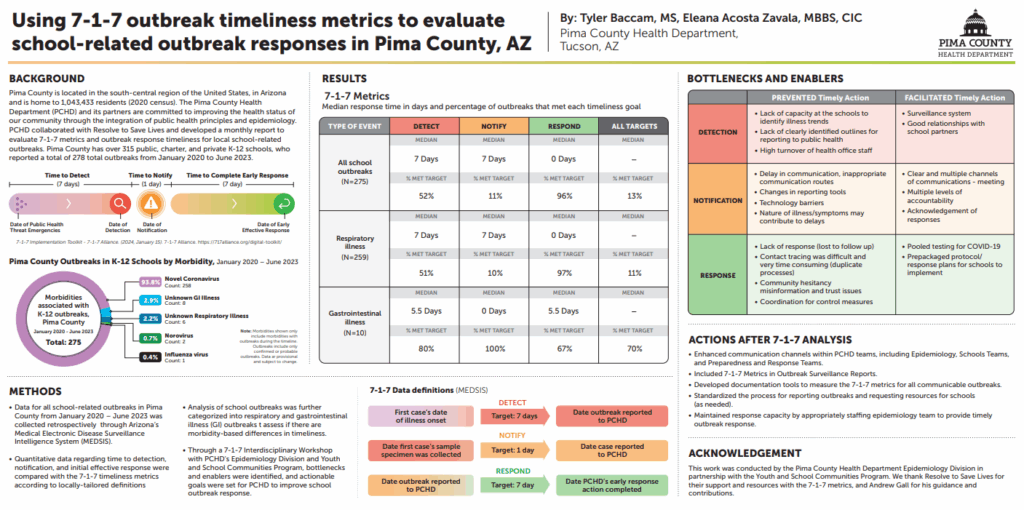
Poster: 7-1-7 outbreak timeliness study—Pima schools demonstrate detection, notification, and response in school-based outbreaks to inform preparedness.
Case study: Varicella
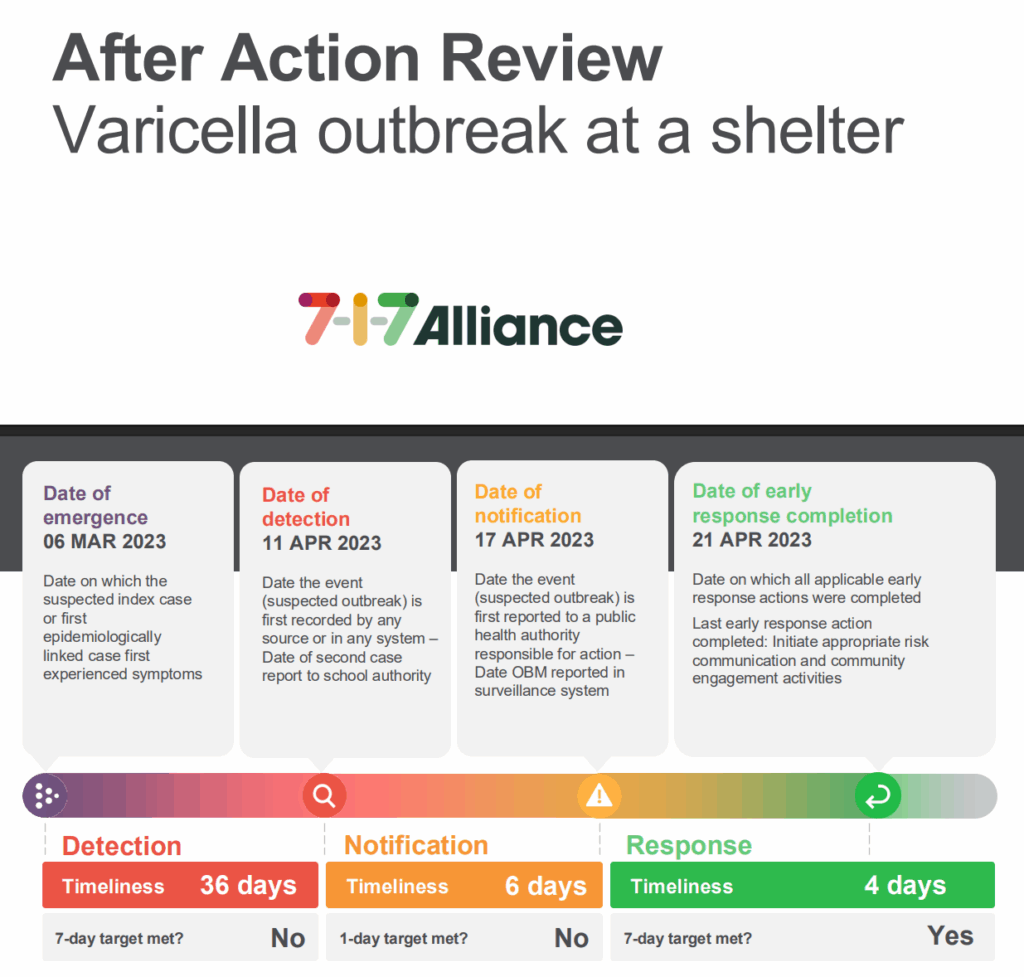
After action review of a 2022 varicella outbreak response in a shelter, noting timely detection and notification, coordination successes, and lessons to strengthen future preparedness.
Case study: Unspecified GI
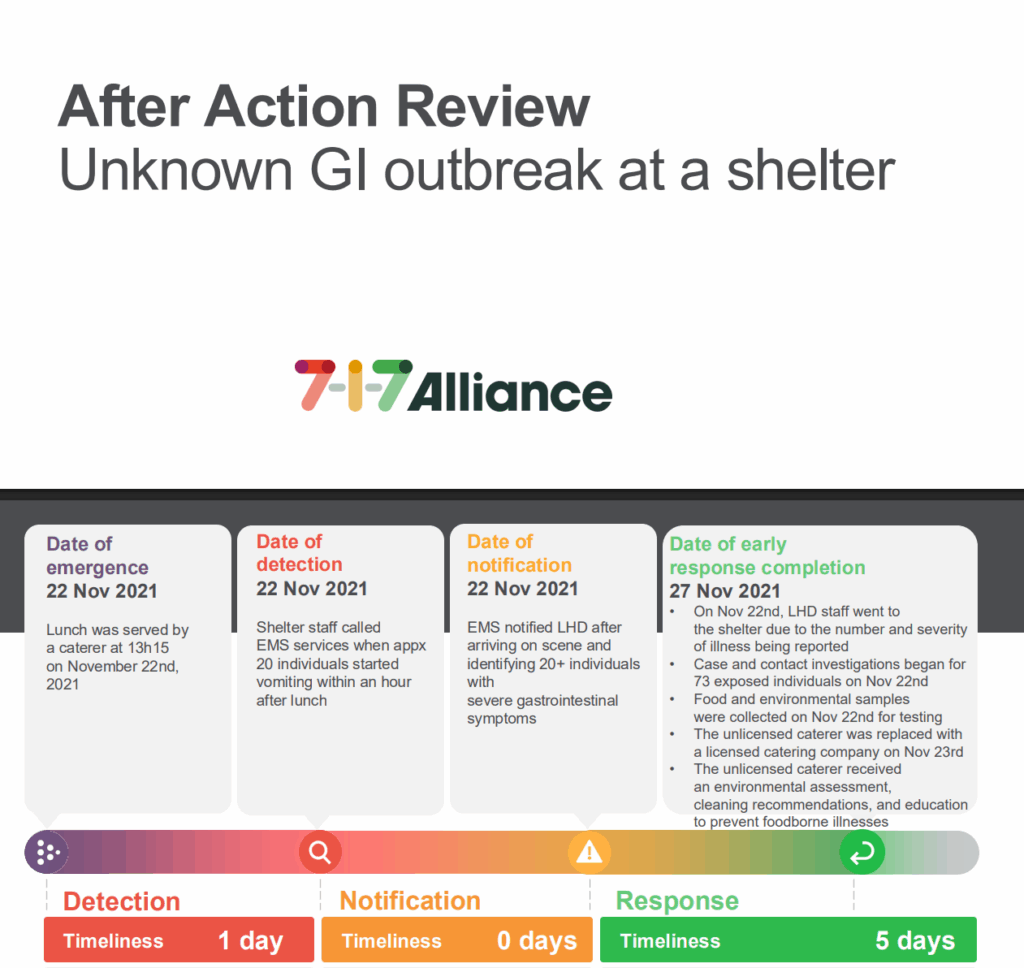
After action review of a 2021 gastrointestinal outbreak response in a shelter, highlighting timely detection, key challenges, and lessons to improve preparedness.
Adopting 7-1-7 in the United States: How the target can strengthen epidemic preparedness
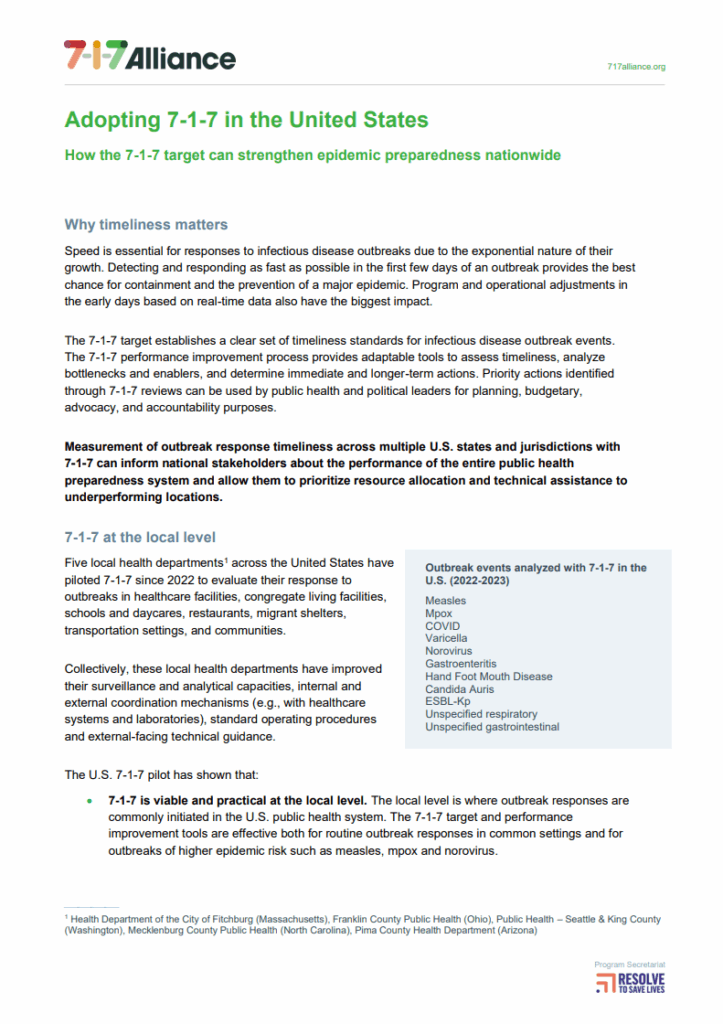
An outline on how 7-1-7 can improve outbreak detection, response, and preparedness in the United States, with lessons from local pilots.
Webinar: 7-1-7 in cities
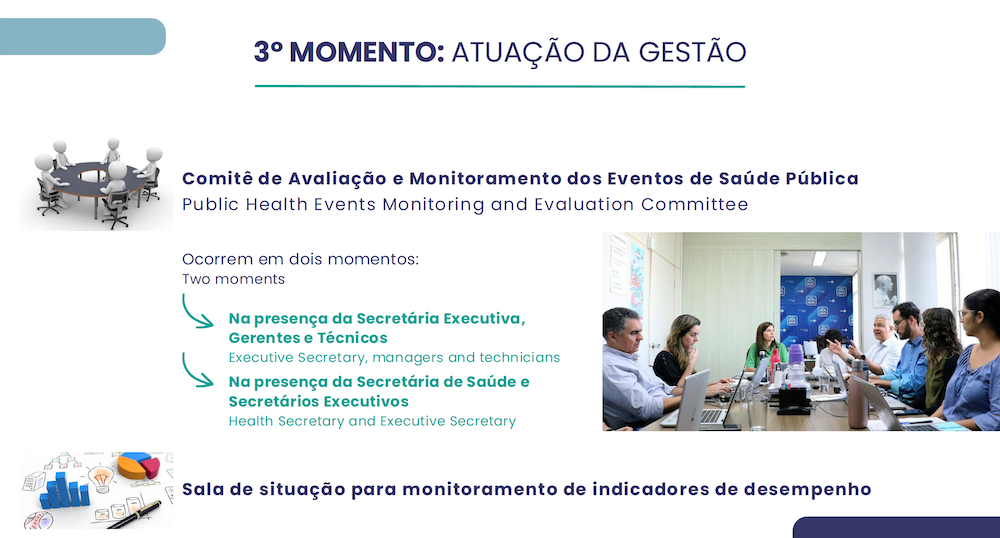
Webinar held on July 31, 2025 focusing on how 7-1-7 can help strengthen health emergency preparedness and response in urban environments.
Implementing the 7‑1‑7 target to improve epidemic preparedness and response in Uganda

BMJ Global Health article published on July 13, 2025 co-authored by the 7-1-7 Alliance, country partners and Resolve to Save Lives.
Online course: Using 7-1-7

An interactive deep dive into the use of the 7-1-7 target to take at your own pace.
Epidemics That Didn’t Happen: How South Sudan stopped a cholera outbreak with no reported deaths
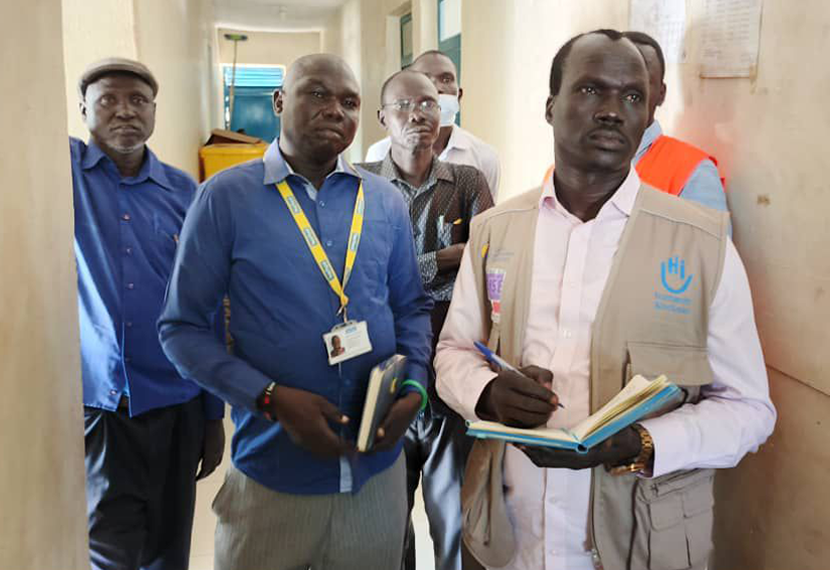
South Sudan brought cholera under control thanks to 7-1-7, a team on high alert and the availability of fast, flexible funds.
Online course: Introduction to 7‑1‑7

An interactive online course to learn about the 7‑1‑7 target at your own pace.
7‑1‑7 technical training package

All you need to host a four-day 7-1-7 technical workshop.